Operations Designer

I build the operational systems small nonprofits run on.

Donor pipeline, grant calendar, board reporting, volunteer scheduling, comms. You own all of it when I'm done.

Most small organizations don't have an operations problem they can hire their way out of. They have six or seven processes that only work because one person remembers them. I map those, design the system underneath, build it, and hand it over.

Thirty minutes, no pitch. If I can't help, I'll say so on the call.

What I build

Six systems. Turned on where you need them.

These aren't six products. They're modules of one build, and most organizations need three or four of them. Here's what usually breaks, and what replaces it.

01

Donor pipeline

Thank-you letters go out when someone remembers. Lapsed donors get noticed a year late, usually by accident. Nobody can say who gave last year but not this year without opening a spreadsheet and doing it by hand.

What replaces it

Gift intake, acknowledgment that fires on its own, and lapse and stewardship watchers that put the name in front of you while the relationship is still there.
02

Grant calendar

Deadlines live on paper, or in one person's head. Reports get remembered the week they're due. Last spring's funder research is in a document nobody can find, so it gets done again.

What replaces it

Funder discovery and scoring against your actual mission and geography, deadline and report tracking that surfaces before it's urgent, and draft generation off your own past applications.

03

Board reporting

The packet gets rebuilt by hand every cycle. Financials get re-keyed out of three different places. It goes out the night before, or it goes out thin, and either way somebody apologizes for it.

What replaces it

Pre-read assembly that pulls from the systems already holding the numbers. Same shape every month, same cadence, without anyone sitting down to assemble it.

04

Volunteer scheduling

Coverage gaps get discovered Saturday morning. Scheduling is a group text. When the person who runs volunteers leaves, the schedule leaves with them, because it was never anywhere but their phone.

What replaces it

Shift scheduling with coverage watchers that flag the hole on Wednesday instead of Saturday, plus the reminder and confirmation messages going out without anyone writing them.

05

Comms and email

One inbox, no triage. The same six questions answered from scratch every week. The newsletter goes out when there's time, which means it goes out twice a year.

What replaces it

Triage rules that sort what's arriving, templated responses for the questions that repeat, and digest assembly so the recap writes most of itself.

06

Content and publishing

Every post starts from a blank page. The voice drifts depending on who wrote it that week. Approval happens in a group text and then somebody forgets to actually post it.

What replaces it

Your brand voice captured once, draft generation that uses it, an approval step that isn't a text thread, and publishing out to the places you already post.

Why you don't already have this

The tools that work are priced for someone else.

Every one of the six exists as software you can buy. I looked hard before I built anything.

The ones that do the job are priced for organizations with a development department. The ones priced for a team your size are thin. And most are built so that leaving costs more than staying, which is the real product.

That's why I started building my own for the organization I run. Then other people asked.

How it works

Diagnosis first. Always.

I don't quote a build before I've seen how the place runs. The assessment is the front door, and it stands on its own. Plenty of organizations take the assessment and fix things themselves. That's a fine outcome.

Workflow Assessment

Two weeks. I map how work really moves through your organization, find where it stalls, and tell you what to fix in priority order. The document is yours regardless of what happens next.

  • A 60-minute deep dive on your real workflows, not the org chart
  • Written assessment with bottleneck analysis and prioritized recommendations
  • An honest read on where AI and automation help and where they don't
  • A 30-minute walkthrough of the findings
  • About two weeks from booking to document in hand
$750
One fee, start to finish.
If it turns up a systems gap worth closing, we scope a Groundwork build from it. If it doesn't, I'll tell you that too.
Book the assessment

Groundwork

The build. A data model and workflow logic underneath, and on top of it whatever your team already uses to get work done. Email, forms, a dashboard, Slack, or some combination. Nobody has to learn a new place to work.

  • System design with process maps, handoff protocols, and documentation
  • Custom tools where nothing off the shelf fits
  • Integrations between the systems you already pay for
  • AI only in the places a template can't handle
  • 30 days of handoff support after it's live
$2.5–15K
Depends on how many of the six you need.
Scoped from the assessment, so the number is known before you commit to it.
Talk it through
What you own at the end

I hand you the keys and leave.

This is the part that separates me from software and from most consultants. You own it outright, and it runs on infrastructure you control. If it only runs while I'm in the room, I haven't finished.

  • 01The data model, documented
  • 02The workflow logic, in plain language your team can read
  • 03Every account, credential, and password
  • 04The code, on infrastructure you control
  • 05Written procedures for the person who does this next
The layer underneath

The engine is running.

Groundwork Engine

The evaluation layer beneath every build. It reads an organization's operational data and returns what's decaying, what's stalled, and what's about to become a problem, ranked by what to deal with first.

It's an API rather than a dashboard, so there's nothing to click yet. A walkthrough is the next thing I'm building.

18
Evaluators
6
Domains
Who this is for

Two to ten people, and everything runs through one of them.

Mission-driven organizations small enough that there are no departments and no middle layer. Usually founder-led, or led by someone who inherited a founder's systems and is holding them together.

The tell is simple. If one person went on vacation for two weeks, would something important quietly stop? If the answer is yes, that's the thing I fix.

I've built these for organizations in a handful of different fields. I don't put client names on my website.

If you want to see how this reads for your specific situation:

About
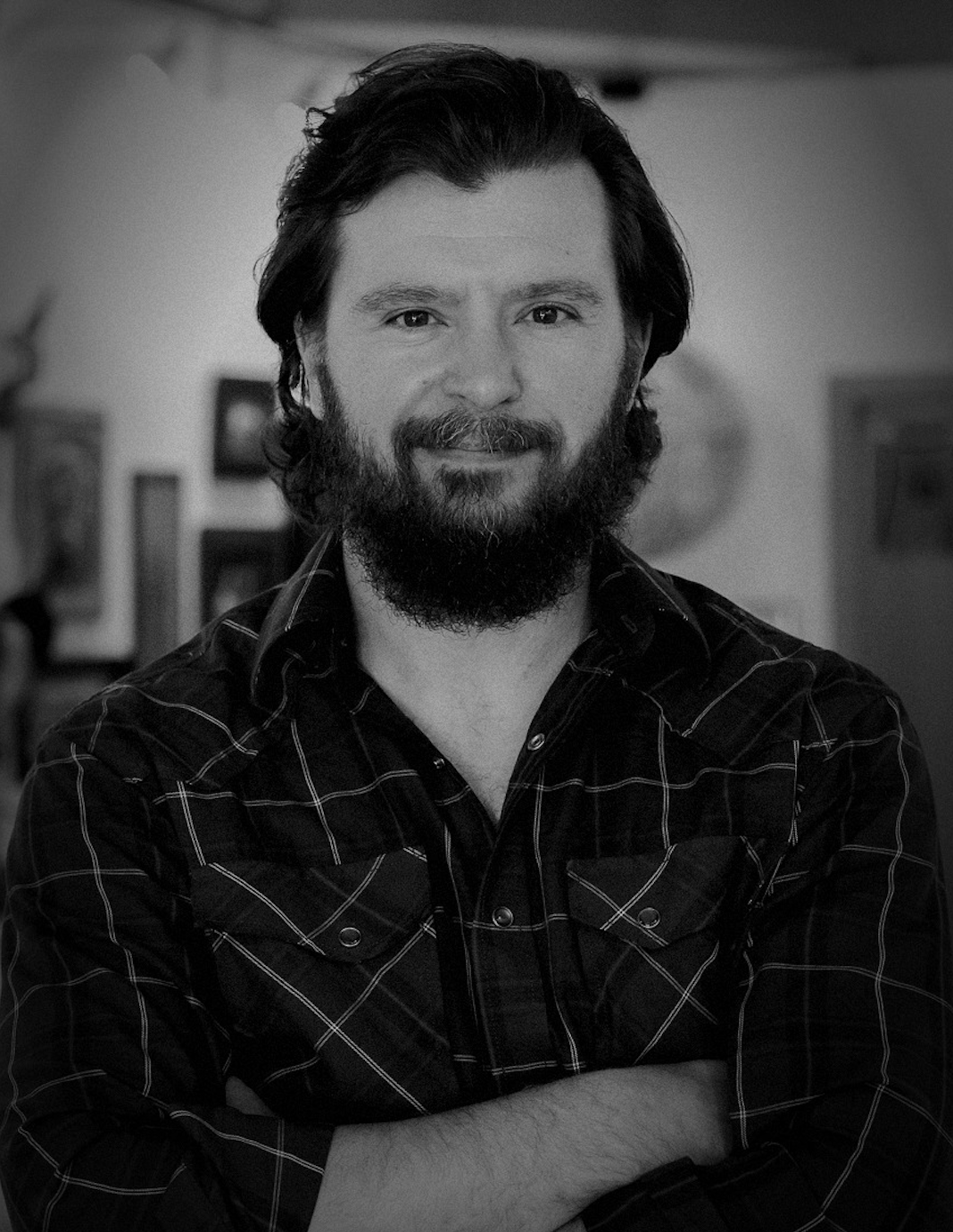
Heath Johnson

I spent a decade in supply chain doing demand planning and inventory management. Then I started running nonprofits, and found out that a volunteer scheduling bottleneck is a decoupling point, a donor lifecycle is an inventory problem, and event logistics is demand planning with different nouns.

I run two nonprofits. Small teams, no departments, no middle layer. I built every one of the six systems above for them before I sold a single one, because I needed them and nothing on the shelf fit organizations that size.

That's the whole background. I'm not a developer by training and I don't pretend to be one. I'm an operator who got tired of doing things by hand and learned to build.

One of the two is a songwriters' collective. I write songs myself, and working inside tight structural constraints taught me more about system design than any business book did, which sounds like a line but isn't.

If a build is more than you need

Two of these run as products.

Same tools, hosted, no engagement. Cheaper and less tailored. If your budget doesn't reach a build yet, start here.

Start here

Tell me what keeps breaking.

Thirty minutes. I'll ask how work moves through your organization and where it stalls. You'll get my read on it either way, and I'll tell you if I'm not the right fit.

email 605.641.4103 LinkedIn Spearfish, South Dakota

I speak on operational design and AI adoption for nonprofit boards, networks, and conferences. Most recently the South Dakota State Arts Conference, April 2026.

Occasional writing

Essays on operations, systems, and what small organizations get wrong before they get it right. Not on a schedule.